A long-term phosphorus study by Agriculture and Agri-Food Canada is in the works.
Without adequate phosphorus, plant growth and crop yield are reduced. As plants grow, they remove phosphorus from the soil, and as a result fertilizers containing phosphorus compounds are often added to soil.
However, fertilizer phosphorus added beyond the crop’s yearly needs can remain in the soil, and can become more tightly bound to soil than recently added fertilizer. Not much is known about the availability of “residual phosphorus” or “legacy phosphorus” to plants.
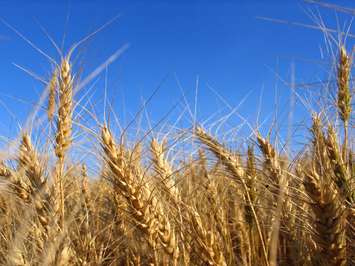
What has surprised researchers is the growth of the wheat plants on the plots not fertilized by phosphorus: although tests showed very low concentrations of soil test phosphorus on the no-phosphorus plots, there was no difference in yield, or in grain phosphorus concentration as compared to the fertilized plot. The plants that did not receive additional fertilizer were able to use both the legacy fertilizer phosphorus, as well as other pools of the phosphorus that had accumulated in the soil, such as organic phosphorus from decaying plant material.
While this research will need to be replicated with other crops in other soil and environmental conditions, it suggests that farmers might be able to change the way they think about phosphorous fertilizer.
Accessing existing phosphorous from the soil would be a cost saving for the farmer and potentially reduce the risk of phosphorus loss into nearby water bodies.
Quote:
“The availability of long-term plots is key to studying new problems as they develop, such as the potential over-application of phosphorus fertilizers. While it’s well known that not all the fertilizer given to plants will be used, what we don’t know is how fertilizer compounds in the soil interact with the other soil elements, microbes and plants over time,” says Dr. Barbara Cade-Menun, Research Scientist, Agriculture and Agri-Food Canada.