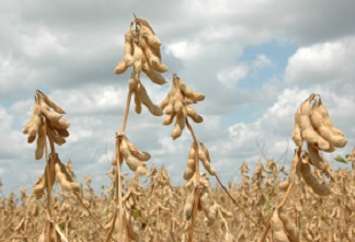
Grain Farmers of Ontario analyst Marty Hibbs says soybeans are living up to expectations as being very volatile.
Hibbs says the one dollar swing in prices over six trading days has the market on course to possibly re-test the 11 dollar level once again in the coming weeks.
He's got short term indicators for soybeans are positive.
However, Hibbs says given the volatility we could see spikes of 50 cents or more and still not impact the main trend, which he says is still down.
This week's GFO Market Commentary has short term indicators strong and the main trend neutral to down for corn.
He says a close above the 4 - 4.20 mark on the December contract could turn the long-term corn trend to bullish.
The main wheat trend indicator is flirting with a total trend change.
Hibbs says if we get a close above 6 dollars on the lead month contract, we could see the wheat market as bullish for the first time since 2012.
===
Grain Farmers of Ontario Market Commentary: by Marty Hibbs
CORN: Corn futures rallied 15 cents this week after hitting a low of $3.62 on the Dec contract on November 19th. The U.S. Environmental Protection Agency (EPA) once again postponed a decision on the 2014 ethanol mandate indicating mandates for 2014, 2015, and 2016 could be forthcoming next year On the charts: The trend indicators on corn are turning neutral, after more than a full year in a bear market. Major overhead resistance seems to be around the $4.00 - $4.20 on the December contract. A close above that area could turn the long term trend to bullish. Bear markets generally last from six months to two years and we are about 16 months into this one. The long U.S. weekend in the past has been the turning point for many markets and it will be interesting to see if grain markets are the chosen ones this time around. The short term indicators remain positive but the main trend is still neutral to down.
SOYBEANS: While U.S. production is projected to be a record, demand is very robust. Argentine farmers are still holding beans despite government efforts to force sales. South American weather is favourable for planting, which is now at 30% vs. 38% a year ago. The futures markets have lost their inversion premium and are now trading at a carry into the forward futures contracts. Once the South American crop is made, we could see further declines into the winter months. On the charts: The one dollar swing in prices in just six trading days has soybeans living up to our expectations as being very volatile. We are now on course to possibly retest the $11.00 level once again in the coming weeks. Overhead resistance is now at $11.00 and again at 11.50 basis the January contract. For now, the short term indicators remain positive; but given the volatility, we could see spikes of 50 cents or more and still not impact the main trend, which is still down. Rallies are being viewed as selling opportunities.
WHEAT: March Chicago wheat gained twenty five cents this week. The U.S. faces widespread competition in the global export market, but the latest weekly export sales report showed wheat sales still tracking the pace needed to reach USDA’s 925 million bushel export forecast. During the fall rally, trading funds have covered short positions and are now nearly neutral. On the charts: The $5.60 overhead target is being challenged again as of this writing, after pulling back to $5.31 on November 20th. As we approach the American Thanksgiving long weekend and the first notice day for the December grain contracts, we could see some volatility in the wheat after the long weekend. Our main trend indicator is flirting with a total trend change. If we get a close above the $6.00 on the lead month contract, I feel we could be looking in the mirror at the bottom of this market and could be viewing the wheat market as bullish for the first time since 2012. If we see a close above the $5.65 level, the next obstacle is at the $5.90 - 6.00 level basis the lead month contract. Of course if we fail to close above these levels, $5.65 could prove to be the resistance for weeks to come and we could see prices back off going into Christmas.