The affordability crisis is affecting the way Canadians eat.
The Salvation Army's 2026 Canadian Poverty and Socioeconomic Analysis shows that Ontarians, especially, are struggling to stretch their budgets.
"More than one in four Ontarians are spending at least half their take-home household income just to keep a roof over their heads," said Captain Gina Haggett, the Salvation Army's divisional secretary for public relations, Ontario Division. "When so much of a household's budget goes toward housing, there's often very little left for groceries, transportation and other basic necessities."
According to the report, 24 per cent of the Canadians surveyed said they spend at least half their after-tax household income on shelter costs. That number rises to 28 per cent in Ontario.
"For many Ontarians, the cost of living isn't just about cutting back on extras anymore," Haggett said.
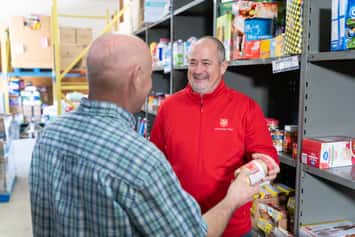
The survey showed that 32 per cent of Ontarians reported skipping or reducing meals because they couldn't afford groceries, and 13 per cent said they accessed community food supports in 2026.
Almost half of the respondents from Ontario (48 per cent) admitted to dipping into their savings to afford basic needs, 38 per cent said they're using credit, and 30 per cent are delaying or missing bill payments.
The cost of living, food affordability in particular, has become one of the top concerns for Canadians in 2026.
Another top worry is U.S. tariffs, with 58 per cent of people reporting that their household has felt a financial impact because of the trade war.
The Canadian Poverty and Socioeconomic Analysis is an annual national survey commissioned by the Salvation Army to better understand the financial, social, and structural challenges Canadians are facing.