

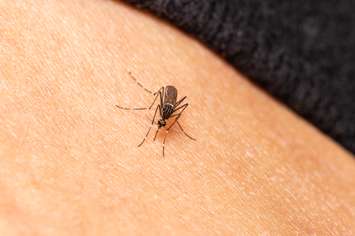
Mosquito trapping efforts have started across Chatham-Kent (CK) as part of the control program.
CK Public Health traps mosquitoes in CK to test for West Nile Virus during the summer months when their activity is highest. Mosquitoes are collected from trap sites on a weekly basis from mid-June until mid-September and are sent to a laboratory for identification and testing for West Nile virus and Eastern Equine Encephalitis.
Any positive results will be communicated publicly along with recommended protective measures, the health unit noted. Updated West Nile virus mosquito surveillance data will be available here weekly with mosquito identification and testing results from June until September.
CK Medical Officer of Health Dr. Shaker Nesathurai previously said climate change is changing the mosquito game and people need to protect themselves.
“These mosquito surveillance programs are proactive public health measures that help to enhance community safety,” said Dr. Nesathurai. “By enhancing surveillance efforts and providing transparent reporting, CK Public Health aims to empower residents with the information they need to reduce the risk of vector-borne illnesses.”
Most people infected with West Nile Virus have no symptoms, but those who get sick, the first symptoms usually appear within two to 15 days after infection, the health unit said.
Mild symptoms include:
Fever
Headache
Body aches
Mild rash
Swollen lymph glands
In rare cases, infected people will develop severe symptoms and health effects, including:
Rapid onset of severe headache
High fever
Stiff neck
Nausea and/or vomiting
Difficulty swallowing
Drowsiness
Confusion
Loss of consciousness
Lack of coordination
Muscle weakness
Paralysis
"See a health care provider immediately if you develop symptoms of West Nile Virus after being bitten by a mosquito, noted CK Public Health.
The Weather Network noted Ontario is primed for a "brutal" mosquito season this summer thanks to a cool, wet spring creating ideal breeding grounds for mosquitoes.
Public health officials recommend wearing long pants and long-sleeve shirts, using insecticide, and eliminating standing water (eggs are laid in water) to protect yourself and your loved ones against illness from mosquitos.